

Discover the essential production capacity needed for your asphalt plant to efficiently support multiple bridge projects. Maximize your project success today!
What Production Capacity Do I Need for an Asphalt Plant to Support Multiple Bridge Projects?
Dans Asphalt Mixing Plant
When planning multiple bridge construction projects, one of the most critical questions is: how much asphalt will I need, and what size amp asphalt mixing plant can reliably deliver it? Choosing the right production capacity directly affects your schedule, budget, and the overall success of your project.
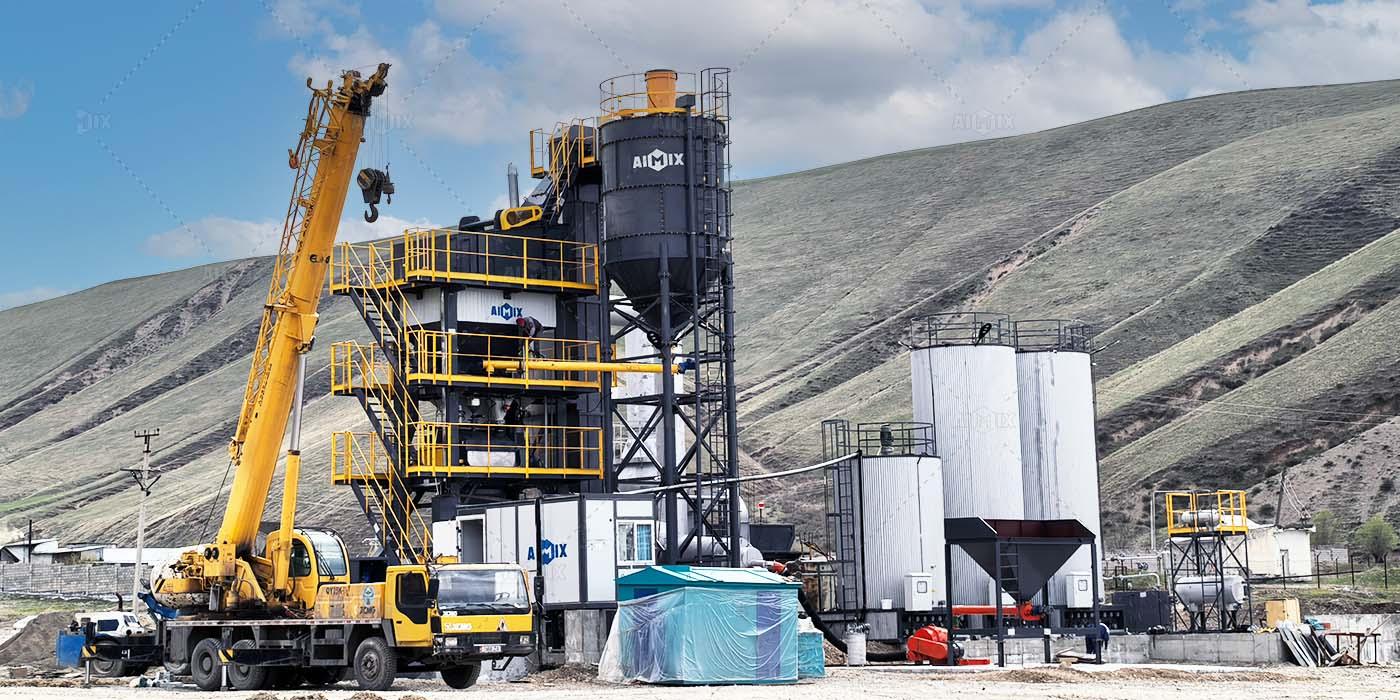
Understanding the Asphalt Demand for Bridge Projects
Bridge construction requires high volumes of asphalt, particularly for the road decks, ramps, and approach roads. On average, a single medium-sized bridge might use between 500 to 2,000 tons of asphalt, depending on the width, length, and number of lanes. Multiply that by three or more projects, and the demand quickly adds up.
For example, if you're building four medium-span bridges simultaneously, you could be looking at over 6,000 tons of asphalt within a few months. This means you need an asphalt plant that can handle not only large volumes, but also a steady pace of delivery.
Key Factors That Affect Asphalt Requirements
Project scale: Larger bridges or multi-lane structures demand more asphalt.
Timeline: Faster deadlines require higher daily output from your plant.
Distance to site: The farther the haul, the more buffer you’ll need in plant capacity to avoid delays.
Mix type: Some specialty mixes for bridges may require longer production time per ton.
Matching Plant Capacity to Your Project Needs
To support multiple bridge projects at the same time, a plant with a production capacity of at least 60–120 tons per hour is typically required. Let’s break it down further.
For Small-Scale Projects (1–2 Bridges)
If you're managing one or two small-to-medium bridges, a 60–80 tph (tons per hour) asphalt mixing plant mini is usually sufficient. These models are compact and easier to transport, which is ideal if your sites are spread out.
For Medium Projects (3–4 Bridges)
A plant with a capacity of 80–120 tph strikes the right balance. It can handle steady demand without running at maximum load, offering flexibility during peak days or weather delays.
For Large Projects (5+ Bridges or Expressways)
When you’re managing major infrastructure or simultaneous bridge and highway works, consider a plant with 120 tph or more. Some high-performance continuous drum plants or modular batch plants even offer over 160 tph, ensuring uninterrupted supply for critical timelines.
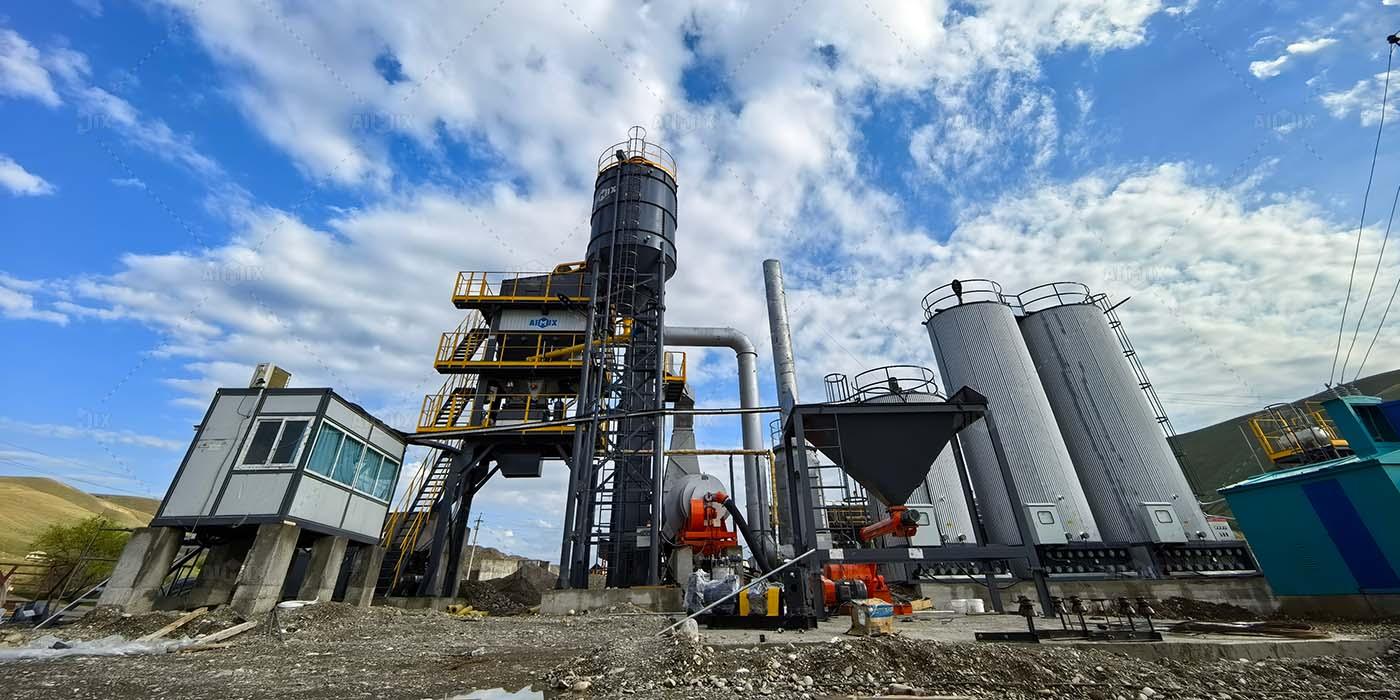
Mobile or Stationary Plant—Which Is Better for Bridges?
Capacity isn’t the only concern. Plant type also matters. Mobile asphalt plants are ideal for projects that span across different locations. You can relocate the mobile asphalt mixing plant closer to each bridge site, saving on transport costs and reducing delays.
However, if your bridge projects are clustered within a single region, a stationary plant with a higher capacity may be more cost-effective over time.
Why Choosing the Right Capacity Matters
Underestimating your required production can cause delivery bottlenecks and delay paving schedules. On the other hand, overspending on a plant that far exceeds your needs increases your investment risk. That’s why capacity planning should always be based on real project data and practical timelines.
By choosing a plant that matches your projected asphalt volume, you avoid unnecessary downtime and keep your crew productive every day. You also gain more control over your material supply and mix quality.
How to Calculate the Right Capacity for You
Here's a simple approach:
Estimate the total asphalt volume per project.
Divide by the number of working days you have available.
Add a 20–30% buffer for weather, logistics, and unforeseen issues.
Select a plant with a matching or slightly higher hourly output.
For example, if your projects require 8,000 tons of asphalt over 60 working days, your plant should produce at least 133 tons per day. That means a plant in the 100–120 tph range should be your starting point.
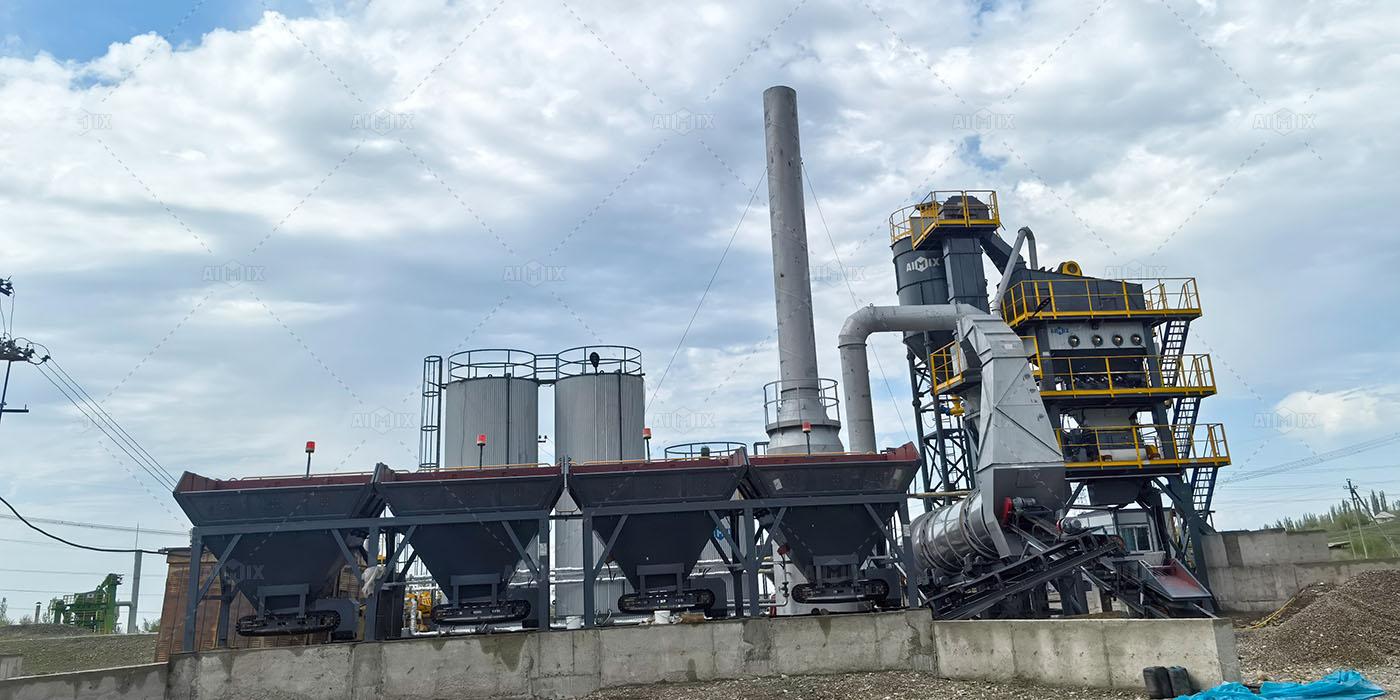
Conclusion: Invest Wisely, Build Efficiently
The right asphalt plant capacity can make or break the success of your bridge projects. Whether you're managing two bridges or ten, matching production capacity to real demand ensures timely delivery, cost efficiency, and consistent quality.
If you're unsure what capacity is best for your situation, feel free to reach out. I can help you evaluate your project timeline, material needs, and site conditions to recommend the ideal asphalt mixing plant for your goals.
Looking for a Reliable Asphalt Plant for Your Bridge Projects?
I provide asphalt mixing plants tailored for bridge construction needs in Indonesia and beyond. From mobile drum mix plants to high-output batch systems, I help contractors choose the right machine with local service and fast delivery. Whether you're just starting or expanding, let’s talk about the best fit for your projects.
Contact me today to get a free quote and technical consultation.
Articles similaires

Can I Combine a Self-Loading Mixer with a Concrete Pump for Faster Delivery in Small Projects?
Find out if a self-loading mixer and concrete pump combination is the key to faster delivery for your small projects. Get insights and tips here!